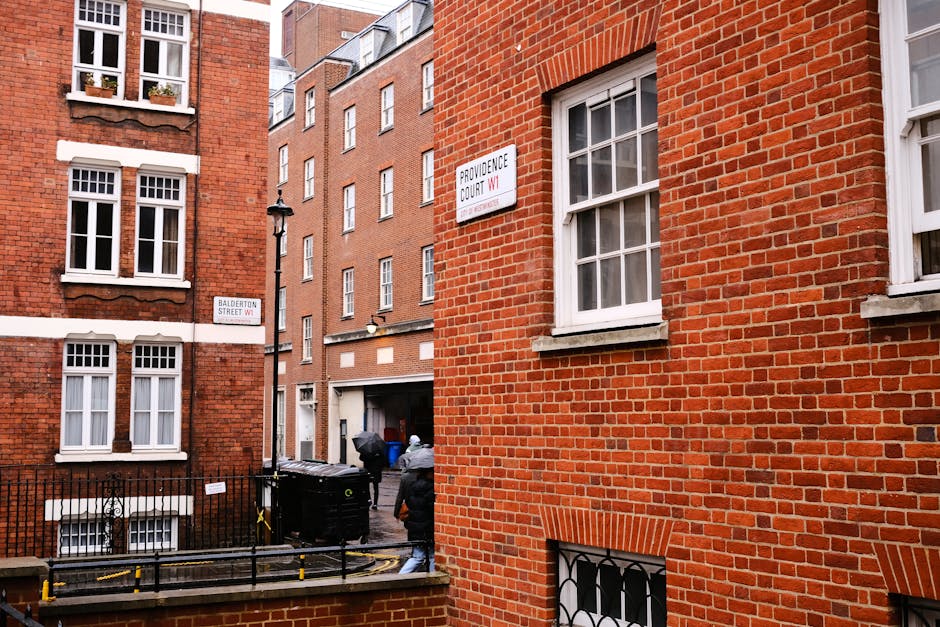
Average removal costs in Marylebone: Free quote checklist

Planning a move in Marylebone can feel a bit like trying to carry a wardrobe up a narrow staircase while checking your phone for parking rules. It is doable, of course, but only if you know what you are paying for before the van arrives. This guide on Average removal costs in Marylebone: Free quote checklist breaks down the moving costs, the things that usually push a quote up or down, and the details you should ask for before you book. If you want a calmer move and fewer surprise charges, the free quote checklist below will save you time, money, and a fair amount of head-scratching.
Marylebone has its own moving quirks: tight streets, permit-sensitive loading, busy times of day, and properties where the front door is lovely but the staircase is not exactly practical. That is why a quote should never be just a number. It should explain the job properly. Let's get into it.
Why Average removal costs in Marylebone: Free quote checklist Matters
Removal costs in Marylebone matter because local moves are often more complex than they first appear. A flat move may look straightforward on paper, but then you realise the lift is tiny, the road access is awkward, or parking has to be planned like a military operation. A quote that ignores these details can lead to delays, extra labour, or last-minute add-ons.
The average cost of removals is less useful than the shape of the quote. What is included? Is loading time capped? Is dismantling included? Are stairs charged separately? A proper quote makes the move easier to compare, especially if you are weighing up a man with van style service against a fuller removal company package. Different moves need different setups, and Marylebone is not the sort of place where you want to guess.
There is also a trust angle. A clear quote signals a company that understands the local area and respects your time. A vague quote? That is where people usually end up paying twice, once in money and again in stress. Not ideal, to be fair.
Expert summary: In Marylebone, the best removal quote is not always the cheapest one. It is the one that names the job properly, explains what is included, and accounts for access, labour, and timing before moving day.
How Average removal costs in Marylebone: Free quote checklist Works
Most removal firms build a price from a few core parts: vehicle size, number of movers, distance, estimated time, access conditions, and any extra services such as packing or furniture assembly. In a compact central London area, access matters more than many people expect. A short move can still take longer if the van cannot park close to the door or if the property has multiple flights of stairs.
A good free quote process usually starts with a quick job summary. You tell the mover what is going from where to where, and they estimate the resources needed. Better still, they ask follow-up questions. How many rooms? Any heavy items? Any fragile pieces? Are you moving from a basement, top floor, or a building with shared access? These details shape the quote far more than the postcode alone.
If you want a useful benchmark, think in ranges rather than fixed numbers. Small local man-and-van jobs are usually priced differently from full-house removals or office relocation work. A quoted price may be hourly, fixed, or a mix of both. Hourly rates can work well for simple loads, while fixed quotes often suit larger homes or more complex moves. Which one is better? That depends on how clear your inventory is and how predictable the access will be.
When comparing quotes, ask whether the estimate includes waiting time, fuel, congestion, parking charges, and VAT if relevant. Also ask if the team brings tools, blankets, trolleys, or protective covers. Those little things matter when you are moving through a polished hallway at 8 a.m. and trying not to chip a wall. You know the type of move.
Key Benefits and Practical Advantages
Using a free quote checklist does more than help you shop around. It helps you buy the right moving service for the job. That sounds obvious, but people often skip this step and regret it later.
- Fewer hidden charges: When the important details are captured early, surprise extras are less likely.
- Better comparison: You can compare like with like instead of trying to decode different pricing styles.
- Less moving-day stress: Clear expectations mean fewer awkward conversations on the pavement.
- More accurate scheduling: Accurate quotes help the team plan the right size vehicle and crew.
- Better protection for items: If you mention fragile or bulky pieces, the mover can prepare properly.
- Improved local planning: Marylebone access, loading, and timing can be factored into the job from the start.
There is also a psychological benefit. A good quote checklist gives you a sense of control at a time when everything else may still be in boxes, and probably a bit dusty. That calm is worth something.
If your move includes packing help, compare the cost of standalone moving with bundled support such as packing and unpacking services. Sometimes a slightly higher quote saves a full weekend of tape, cardboard, and mild regret.
Who This Is For and When It Makes Sense
This guide is for anyone moving within Marylebone, across London, or out of the area entirely, but it is especially helpful if you are:
- moving from a flat with limited lift access
- moving into a townhouse or period property
- booking a same-day or next-day local removal
- comparing several quotes and not sure what is reasonable
- trying to balance budget with reliability
- moving office stock, desks, or equipment
- booking extra help for packing, loading, or dismantling
It also makes sense if you are not moving much at all. A few pieces of furniture, a mattress, some fragile boxes, and a couple of awkward items can still require a proper plan. In those cases, a smaller service such as man and van or removals near me can be a practical fit, provided the quote is clear and the scope is honest.
For business moves, the same logic applies. Office relocations need timing, handling, and access planning even more than home moves. A move at the wrong hour can interrupt staff, deliveries, and client work in a way nobody enjoys. If that sounds familiar, look at office removals and commercial moves as the comparison point, then build your quote checklist around actual business needs.
Step-by-Step Guidance
Here is the cleanest way to request and judge a removal quote in Marylebone without losing the plot halfway through the process.
- List everything that is moving. Write down furniture, boxes, appliances, and anything awkward such as mirrors, pianos, or oversized artwork.
- Note the access at both addresses. Floors, lift access, loading restrictions, staircases, and walking distance from van to door all matter.
- Pick a moving window. Morning, afternoon, weekday, or weekend availability can affect scheduling and price.
- Decide what help you need. Do you want loading only, full packing support, or dismantling and reassembly too?
- Ask for the quote format. Hourly or fixed price? Is there a minimum booking? Are there overtime terms?
- Check what the price includes. Fuel, parking, protective materials, tolls, and VAT should be clear.
- Ask about insurance and care. You want to know how items are protected during transit and handling.
- Confirm cancellation or amendment terms. Plans change. It happens. Best to know the rules early.
- Compare at least two or three quotes. Not just on price, but on clarity, responsiveness, and realism.
- Book once the scope feels right. A quote that matches your actual move is usually better than a bargain that doesn't.
A tiny but useful habit: send photos of stairs, hallways, parking spots, and large items. A few images can sharpen a quote more than a long email ever will. It saves time on both sides.
Expert Tips for Better Results
There are a few small choices that make a big difference when you are trying to get an honest removal price in Marylebone.
- Be specific about volume. "A one-bed flat" is a start, but "one sofa, bed base, mattress, desk, twelve boxes and a bike" is much better.
- State any awkward access early. If there is a narrow staircase or no parking outside, say so immediately.
- Ask how estimates are measured. Some movers price by time, some by load size, some by both.
- Check whether waiting is charged. Delays in central London can happen quickly. A couple of minutes turn into twenty. Annoying, but true.
- Use one contact point for the booking. It avoids confusion if the address, inventory, and timing need to be confirmed.
- Ask if the crew brings packing protection. Blankets, straps, and covers can reduce damage risk.
If you are moving fragile household goods or items you would rather not trust to a rushed lift, ask about professional handling standards and practical care. For some readers, it is worth pairing a move with a dependable house removals service rather than piecing the job together from several different suppliers.
And yes, it is absolutely okay to ask a question that feels a bit fussy. Better a slightly fussy question than a damaged coffee table. Let's be honest.
Common Mistakes to Avoid
Most quote problems come from missing detail, not bad intentions. A mover can only price what they know, and a customer can only compare what they have been told. The gaps are where trouble starts.
- Not declaring the full inventory: One extra wardrobe can change the vehicle size and timing.
- Ignoring access issues: "It's just a short walk" can still be a big deal in practice.
- Assuming packing is included: Sometimes it is, sometimes it is not. Never guess.
- Comparing only headline price: A cheaper quote may exclude essentials that another mover includes.
- Forgetting parking or permits: In central London, this can become a real cost or time issue.
- Leaving fragile items unmentioned: That is how people end up with poor packing decisions.
Another mistake is booking purely on speed. The fastest reply is not always the most suitable one. A company that asks sensible follow-up questions often ends up giving a better quote than the one that just fires back a number in thirty seconds.
If you need a more structured move, especially with large items or full household contents, a broader removal services approach may be more reliable than a basic transport-only booking.
Tools, Resources and Recommendations
You do not need a pile of fancy software to get a good removals quote. A few simple tools will do the job well.
- Room-by-room inventory list: Use a notes app or a spreadsheet to keep track of items.
- Phone photos or short videos: Great for showing access, item size, and load complexity.
- Calendar reminders: Useful for confirming quote windows, survey calls, and moving dates.
- Measurements: Door widths, sofa length, bed frame size, and stair turns can all matter.
- Basic packing plan: Label boxes by room and priority so the move unpacks more smoothly.
In practical terms, the best recommendation is to work from a simple quote brief. Keep it short, but complete. That means address details, moving date, access notes, what is being moved, what help you want, and any special concerns. This is also where a good pricing and quotes page can be helpful, because it helps you understand the style of estimate a company uses before you request one.
If security and payment terms matter to you - and they should - it is sensible to review a provider's approach to safe transactions and handling. See payment and security and, if relevant to your move setup, insurance and safety.
Law, Compliance, Standards, or Best Practice
Moving home is not the same as a heavily regulated trade, but there are still sensible standards that customers should expect. In the UK, reputable movers normally work with clear booking terms, fair payment processes, responsible handling of property, and appropriate insurance arrangements. If anything is unclear, ask before you commit. That's not being difficult; that's being sensible.
Best practice in removals usually includes:
- clear written quotes and booking terms
- honest disclosure of exclusions and extra charges
- reasonable care when handling furniture and boxes
- safe loading and transport practices
- respect for building access rules and neighbours
For businesses, compliance-minded planning can matter even more. If you are moving equipment, records, or office furniture, ask how the provider handles access, security, and liability. The same applies if you are using office relocation services or arranging a larger team move with a movers setup.
You may also want to check a company's public policies on sustainability, complaints, and terms if those are important to your decision. A mover that keeps these basics visible tends to be more organised overall. It does not guarantee perfection, but it is a decent sign.
Options, Methods, or Comparison Table
If you are deciding between different types of moving help, this quick comparison should make the decision easier.
| Option | Best for | Typical strengths | Watch out for |
|---|---|---|---|
| Man and van | Small to medium local moves, single items, flexible jobs | Quick booking, usually cost-effective, good for lighter loads | May not suit very large homes or complex access without careful planning |
| Full removal company | Whole-home moves and more involved relocations | More support, better for larger inventories, often includes more handling help | Can cost more, especially if access is tricky or packing is added |
| Office removals | Commercial relocations, desks, chairs, and equipment | Can be planned around business hours and workflow | Needs careful coordination to avoid disruption |
| Removals van hire | Moves where you want transport support but limited extras | Can be efficient for straightforward jobs | You may need to manage more of the packing and carrying yourself |
As a rule of thumb, the more difficult the access and the more valuable or awkward the items, the more sense it makes to choose the higher-support option. For very simple jobs, a smaller vehicle-based service may be perfectly fine.
Case Study or Real-World Example
Here is a realistic Marylebone-style scenario. A couple are moving from a second-floor flat with no lift to a nearby address only a short drive away. On paper, it sounds like a small local move. In practice, there are two wide bookcases, a heavy bed frame, several fragile boxes, and limited parking outside the property. The first quote they receive is low, but it assumes easy access and quick loading. The second quote is a little higher, but it includes two movers, protective materials, and a more realistic time allowance.
They choose the second option. Why? Because the quote explained the job properly. On moving day, the crew arrives with the right vehicle, takes the access issues in stride, and the move finishes without panic or unexpected add-ons. There is still that mild chaos that every move has - a kettle, some tape, a missing charger - but the important part is that the pricing stayed predictable.
That is the real value of a good quote checklist. It turns a vaguely stressful day into something manageable. Not glamorous, sure. But manageable is lovely when you are surrounded by boxes.
Practical Checklist
Use this checklist before you request a free quote. If you can answer most of these questions, you will usually get a much better estimate.
- What is the full moving address in Marylebone and the destination postcode?
- What date and preferred time window do you need?
- How many rooms or what rough volume of items are being moved?
- Are there any large, heavy, delicate, or awkward items?
- Is there lift access at either property?
- How many stairs are involved at pickup and drop-off?
- Can the vehicle park close to the entrance?
- Do you need packing, unpacking, dismantling, or reassembly?
- Will there be restricted access, permits, or timed loading?
- Do you need short-term storage or a split delivery?
- Is the quote hourly or fixed price?
- What exactly is included in the price?
- Are insurance and payment terms clear?
- Are there cancellation, waiting, or overtime charges?
- Have you compared at least two quotes on the same basis?
Quick takeaway: If you only do one thing, do this - give the mover a full and honest picture of the job. That single step improves almost everything else.
Conclusion
Average removal costs in Marylebone are best understood as a range shaped by access, volume, timing, and service level, not as a single magic number. Once you know how quotes are built, it becomes much easier to see which offer is fair, which one is vague, and which one is simply too good to be true.
The free quote checklist in this guide should help you move from guesswork to confidence. You will ask better questions, compare more fairly, and avoid the kind of last-minute surprises that can turn a simple move into a long day with too many boxes and not enough tea.
Get a free quote today and see how much you can save.
And if you are still in the planning stage, that is fine too. A careful move starts with a careful quote, and a careful quote starts with the right details.
Frequently Asked Questions
What affects removal costs in Marylebone the most?
The biggest factors are access, amount of furniture, number of movers needed, timing, and how far the team must carry items from the property to the vehicle. In central London, parking and stair access often matter more than people expect.
Is a man and van service cheaper than a full removal company?
Often, yes, especially for smaller loads and local moves. But the cheaper option is only useful if it actually fits the job. If you have lots of furniture or awkward access, a fuller service may save time and hassle overall.
Should I choose an hourly or fixed-price quote?
Hourly quotes can work well for straightforward, smaller moves. Fixed-price quotes are often better when the job is larger or access is tricky, because they give you more certainty. The best choice depends on how predictable the move is.
Do removal quotes usually include packing?
Not always. Some movers include basic support, while others charge separately for packing materials and labour. Always ask clearly whether packing and unpacking are included or optional.
How many quotes should I get before booking?
Two or three is usually enough to see whether the price and service look reasonable. More than that can be useful, but too many quotes can make the process feel messy. Keep it practical.
What details should I give for an accurate quote?
Share the addresses, moving date, item list, access details, floor levels, parking situation, and any special items such as fragile furniture or appliances. The more precise you are, the better the estimate will be.
Are there extra charges I should ask about?
Yes. Ask about parking, waiting time, stairs, long carries, overtime, fuel, VAT, and any charges for dismantling or reassembly. These are the usual places where costs can rise.
How far in advance should I book a move in Marylebone?
If your move date is flexible, book as early as you can. Busy periods and weekends fill quickly. For smaller local jobs, you may get a quicker turnaround, but advance notice still helps.
Is insurance important when comparing quotes?
Absolutely. You want to know how items are protected and what happens if something goes wrong. A clear answer on insurance and handling should be part of any serious quote discussion.
Can I reduce my removal costs without cutting corners?
Yes. Declutter before moving, pack boxes neatly, label everything clearly, and make access as easy as possible. If the mover can work efficiently, your final cost is often easier to control.
What if I only need to move one or two items?
Then a smaller service may be more suitable than a full removal booking. A compact transport option can be more economical for single-item moves, furniture pick-ups, or short local jobs.
How do I know if a quote is too low to be realistic?
If the quote seems far below the others and it does not explain what is included, be cautious. Sometimes a very low price leaves out the real work, which leads to add-ons later. A proper quote should make sense on its own.