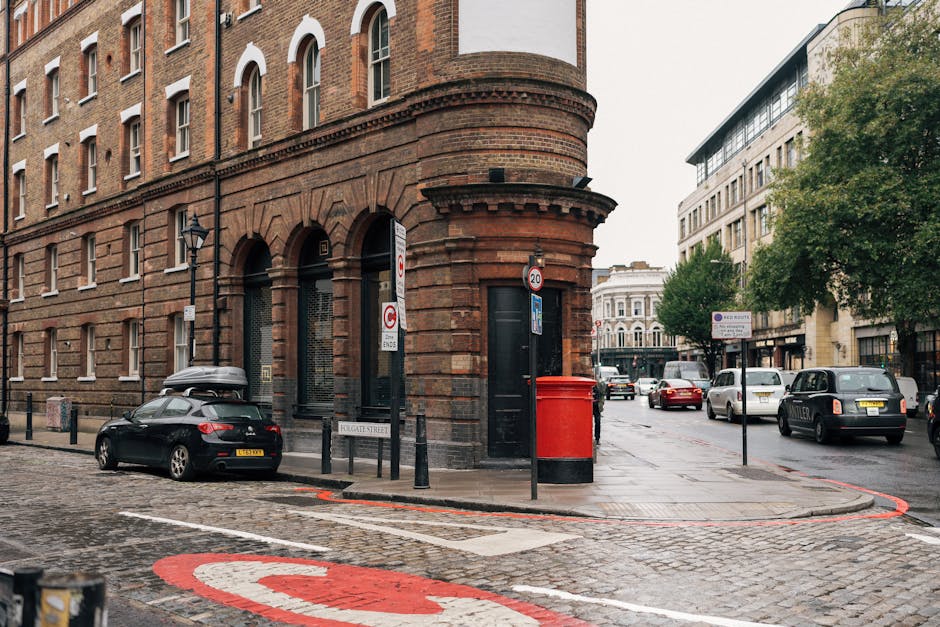
Avoid fines: Marylebone loading bay regulations explained
If you are planning a delivery, house move, or office drop-off in Marylebone, loading looks simple right up until you are actually there. Then the kerb is narrow, traffic is busy, the bay is already half-occupied, and the clock starts feeling louder than the engine. This guide to Avoid fines: Marylebone loading bay regulations explained breaks everything down in plain English so you can load legally, avoid penalties, and get in and out without unnecessary stress.
To be fair, Marylebone is not the sort of place where you can wing it. Between controlled parking, local restrictions, and the practical realities of central London streets, a few minutes of poor planning can turn into a fine, delay, or frustrated neighbours. The good news? Most loading problems are avoidable once you understand the rules, the timing, and the way the bays are actually used on the ground.
This article walks you through what loading bays are for, how they work, the usual mistakes people make, and the steps you should take before your van ever pulls up. If you need a broader moving service while you plan the logistics, you may also find the site's man with van service, removal services, and home moves pages useful for context.
Table of Contents
- Why Marylebone loading bay rules matter
- How loading bays work in practice
- Key benefits of planning loading correctly
- Who needs this guidance
- Step-by-step guidance for a compliant load
- Expert tips for smoother loading
- Common mistakes to avoid
- Tools, resources and recommendations
- Law, compliance and best practice
- Options, methods and comparison table
- Case study or real-world example
- Practical checklist
- Conclusion
- Frequently asked questions
Why Marylebone loading bay rules matter
Loading bay regulations matter because they sit at the point where everyday logistics meets enforcement. In a place like Marylebone, a van stopping "just for a minute" can easily become a ticket if the vehicle is in the wrong place, using the bay incorrectly, or overstaying the permitted time. That may sound harsh, but it is exactly why loading bays exist: to keep traffic moving while still allowing essential loading and unloading.
Marylebone is busy, dense, and often unforgiving for poor parking decisions. A van parked too far from the kerb can block flow. A door left open across the traffic lane can cause complaints. A driver who assumes any gap in the road is fine to use can end up making a simple move far more expensive than it needed to be. Who wants that when there are boxes, furniture, or stock to move?
The other reason it matters is time. Loading bays are designed to give you a limited, structured window to handle a task efficiently. If your plan is messy, you burn through that window quickly. If your plan is tight, you usually finish with less stress, fewer interruptions, and a much better chance of avoiding penalties. Truth be told, the calm jobs are the ones that were prepared properly the night before.
Expert takeaway: Loading bay compliance is less about luck and more about preparation. In Marylebone, the safest approach is to assume you need a plan, a clear arrival window, and a driver who understands local restrictions before the van even turns the corner.
If you are moving business stock or furniture, the site's commercial moves and office removals pages can also help frame the kind of logistical planning that keeps loading legal and efficient.
How Marylebone loading bay regulations work in practice
At the simplest level, a loading bay is a marked space reserved for loading and unloading during specific conditions. Those conditions usually relate to vehicle type, permitted activity, and time limits. In practice, the exact rules depend on the sign at the bay, the road markings, and any local parking restrictions in force on that street. That is why reading the sign on arrival is not optional. It is the rulebook for that exact location.
Most people think of loading as "stop, unload, leave". Real life is a bit more fussy. You may need to prove that the vehicle is genuinely loading, keep the activity continuous, and avoid drifting into unrelated tasks like long phone calls, paperwork, or wandering upstairs for twenty minutes because "the lift was slow". Enforcement officers do not tend to love that kind of improvisation.
In Marylebone, you should also expect traffic management to be tighter than in less central areas. A loading bay may have time restrictions, operational hours, or separate requirements for commercial and domestic use. Some bays are available only at particular times of day, while others are available for loading but not for general waiting. That distinction matters a lot. If the bay is for loading only, sitting in it while you wait for keys or a delayed client can be enough to cause trouble.
Here is the practical version: you arrive, check the sign, confirm that your activity fits the bay's purpose, keep the load moving, and leave as soon as the loading job is done. It sounds straightforward because it is. The challenge is doing it under pressure in a crowded London street at 8:30 in the morning.
Key benefits and practical advantages
Following loading bay rules is not just about avoiding fines, although that is obviously a major one. It also improves the whole moving process. When loading is organised, the team moves faster. When the van is positioned correctly, handling becomes safer. When the paperwork and timing are sorted in advance, the whole job feels less chaotic. Small thing, big difference.
- Lower risk of fines and penalties because the vehicle is using the bay correctly.
- Less disruption to traffic which helps keep the job moving and reduces complaints.
- Safer handling because the loading position is more controlled.
- Better timekeeping which matters when access windows are short.
- Less pressure on the crew because everyone knows what happens next.
There is also a trust factor here. If you are moving from a flat, managing a shop delivery, or relocating an office, people notice whether the job is handled neatly. A tidy loading operation looks professional. A rushed one can look messy very quickly. And in a place like Marylebone, messy tends to be expensive.
For larger jobs, this is where support from a careful team becomes useful. Pages like movers, man and van removals, and removals reflect the sort of services people often need when the job is more than a quick parcel drop.
Who this is for and when it makes sense
This guidance is for anyone who needs to stop a vehicle in Marylebone for genuine loading or unloading. That includes homeowners, tenants, landlords, retailers, office managers, event teams, and furniture collectors. If your job involves bulky items, fragile stock, or several trips between the van and a building entrance, loading bay rules suddenly become very relevant indeed.
It makes particular sense if you are:
- moving house or clearing a flat
- dropping off office equipment or archive boxes
- collecting furniture or appliances
- handling a commercial delivery with a tight time window
- using a van in a busy central London street for the first time
If you are a private resident, the main risk is often simple confusion. You assume the bay is free, only to discover it is restricted by time, vehicle type, or local loading rules. If you are a business, the risk can be bigger because delays affect customers, staff, and schedules. Either way, a little checking up front usually saves a lot of hassle later.
Let's face it: nobody starts the day hoping to argue with a ticketing notice in the rain. Better to sort it first.
Step-by-step guidance for a compliant load
If you want the practical version, use this process every time you load in Marylebone. It is simple, but it works.
- Check the exact street and bay
Do not assume the bay on one block works the same way as the next. Read the sign at the kerb and look for any time limits, loading-only instructions, or vehicle conditions. - Confirm your activity is genuine loading or unloading
If you are not actively moving items, you may not qualify. Keep the work continuous and sensible. - Prepare the items before you arrive
Have boxes labelled, furniture wrapped, and paperwork ready. The clock is not your friend here. - Position the vehicle safely and neatly
Park where permitted, keep clear of junctions and crossings, and make sure access is practical for the building entrance. - Keep the loading area active
Loading should look like loading. If you need to pause, keep it short and defensible. - Move off once finished
Do not sit in the bay after the job is done. That is how a compliant stop becomes a problem.
A useful habit is to assign one person to watch the time. Not because everyone else is careless, but because loading in a busy street is full of small distractions. The phone rings. A neighbour asks a question. A box splits open. Suddenly five minutes are gone. Having one person quietly keep an eye on the schedule can be the difference between a smooth exit and a frustrating fine.
If the move is larger, you may also want extra support from packing and unpacking services so the loading phase does not get bogged down by last-minute sorting.
Expert tips for better results
Here is where experience matters. The rules themselves are only half the story. The other half is how you behave on the street when space is tight and everyone is in a hurry.
- Arrive a little earlier than you think you need to. Even a small delay can make you miss a permitted window.
- Keep the bay sign visible to the driver. If there is any doubt, step out and read it again. Yes, again.
- Use a loading plan with one-way flow. If items travel in one direction only, the job is cleaner and quicker.
- Break down the job before the van arrives. Flat-pack, wrap, label, and stage items so the vehicle is loaded immediately.
- Choose the right vehicle size. Too small means too many trips; too large can create access problems. Neither is ideal.
- Keep a copy of booking and access details handy. If there is a concierge, landlord, or office manager involved, make sure everyone knows the plan.
A small but useful habit: take a quick look at the curb, the building entrance, and the surrounding traffic before you start. That glance tells you a lot. Is there enough room for the tail lift? Is a pedestrian route being blocked? Can the van doors open fully without creating a hazard? Those tiny checks prevent messy surprises.
And if you are working with fragile or valuable items, the site's insurance and safety information is worth reviewing alongside the move plan. Nobody enjoys dealing with damage claims after a simple loading error.
Common mistakes to avoid
The same mistakes come up again and again, and honestly, they are all very avoidable. Most fines do not happen because people are reckless. They happen because people assume too much or rush too hard.
- Not reading the sign on the actual bay and relying on memory or guesswork.
- Using the bay for waiting rather than loading which can count as misuse.
- Stopping for unrelated tasks like coffee, paperwork, or a long phone call.
- Leaving the vehicle unattended too long while the activity stalls.
- Blocking pedestrians or junctions while trying to "just make it work".
- Underestimating how long the move will take and missing the permitted time window.
One of the sneakiest mistakes is thinking that "I was only there a moment" will protect you. It usually will not. The real issue is whether the stop fitted the loading rules at that location and whether the activity was continuous and legitimate. That is why clear planning is so useful: it keeps the whole operation easy to defend.
If your move needs a vehicle on site for a longer stretch, you may need to rethink the schedule or use a more suitable service such as removal van support, depending on the size of the job.
Tools, resources and recommendations
You do not need fancy software to manage a loading bay stop, but a few simple tools help a lot. The goal is to remove uncertainty before it creates problems on the street.
- Mobile phone calendar alerts for arrival and departure times.
- Printed access notes with building entry instructions, buzz codes, and contact names.
- Box labels and floor plans so unloading is efficient at the far end too.
- Protective materials such as blankets, wrap, and straps to reduce handling time.
- A simple loading sequence written down in order: first out, first in, fragile items last or first as appropriate.
When you are comparing service options, look for people who understand central London access, not just general moving. That sort of practical experience matters more than a glossy promise. A good local crew knows how to work around tight streets, short windows, and awkward doorways without making a drama out of it.
For reference, the site's pricing and quotes page can help you think about budgeting, while terms and conditions and health and safety policy pages are useful for understanding how a service approaches responsibility and process.
Law, compliance, standards, or best practice
In London, loading bay use is typically governed by local parking controls, road signs, and the general requirement to obey restrictions as posted. In plain terms, that means the sign at the location matters more than assumptions based on another street, another borough, or last year's experience. If the sign says loading only, then loading only is the rule. If the hours are limited, then the hours are limited. Annoying perhaps, but clear.
Best practice is to treat every loading stop as a compliance task, not just a convenience stop. That means checking the bay before parking, keeping the activity genuine, and leaving promptly once finished. It also means being careful with obstruction. Even if a stop is technically allowed, it should still be done safely and without blocking pedestrians, residents, or emergency access.
Where exact legal detail is needed, readers should check the current street signage and any local parking information before moving day. Regulations can change, and enforcement practice can vary by street and time of day. This article is designed to explain the practical reality, not to replace the specific sign in front of you. That distinction matters.
For businesses, compliance is also a reputational issue. An office move that disrupts neighbours or attracts enforcement attention creates unnecessary friction. A clean, disciplined loading operation signals care. That is valuable in a place like Marylebone, where people notice what is happening at street level.
Options, methods, and comparison table
Different loading approaches suit different jobs. The right one depends on volume, access, time pressure, and how much walking distance exists between the van and the property entrance.
| Approach | Best for | Pros | Watch-outs |
|---|---|---|---|
| Quick kerbside loading | Small household or single-item moves | Fast, simple, usually efficient | Needs a tight plan and a clear loading bay fit |
| Staged loading from inside | Flats, offices, or multi-item jobs | Organised, reduces trips, safer for fragile items | Can take longer if the staging area is not prepared |
| Pre-packed delivery handoff | Commercial drops and stock transfers | Very efficient if the goods are already ready | Less forgiving if access or timing changes unexpectedly |
| Support from a moving crew | Heavier, longer, or more complex jobs | Less pressure, better handling, faster turnaround | Costs more than doing everything yourself |
For most people, the decision is not really about "cheap or expensive". It is about "will this be smooth and compliant, or will I spend the afternoon explaining myself to a ticket officer and a tired relative?" That's the real comparison. If you need a more structured team for the job, the site's man and van and removal company pages fit naturally into that decision.
Case study or real-world example
A small design studio needed to clear a first-floor office in Marylebone on a weekday morning. Nothing huge: a few desks, some boxed stationery, monitors, and two heavy storage cabinets. The easy mistake would have been to arrive, park wherever seemed convenient, and try to sort the paperwork after the van was already in position. That would have been a mess.
Instead, the team checked the street sign beforehand, confirmed the loading window, and had every box staged near the exit before the van arrived. One person managed the doorway, one managed the van, and one kept the schedule moving. No wandering, no dithering. The sound of wheels over the threshold, the brief thud of a cabinet onto a blanket, the door closing again. Done.
The result was simple: the load finished inside the permitted window, traffic stayed manageable, and the office could hand the keys back on time. Nothing glamorous. Just good planning and a little discipline. In our experience, that is what makes the difference in central London more than anything else.
A similar approach works for domestic moves too. If you are dealing with a full flat or a tight staircase, services such as house removals or house movers can help reduce the pressure on the bay stop itself by keeping the whole process more organised.
Practical checklist
Use this checklist before any loading bay stop in Marylebone. Print it, copy it, scribble it on a note, whatever works.
- Confirm the exact street and bay location
- Read the sign on arrival, not from memory
- Check loading hours and time limits
- Make sure the activity is genuine loading or unloading
- Prepare items before the van arrives
- Assign one person to watch the clock
- Keep the bay clear of pedestrians and access routes
- Use the right vehicle size for the job
- Keep documents, access codes, and contact numbers ready
- Move off promptly once the loading is complete
Quick summary: if the bay sign, the timing, and the activity all line up, you are usually in a strong position. If one of those three things feels shaky, stop and check before you commit. That little pause can save you a lot of bother.
Get a free quote today and see how much you can save.
Conclusion
Marylebone loading bay rules are not there to make life difficult. They are there to keep one of London's busiest areas moving safely and predictably. Once you understand how the bays work, what counts as valid loading, and why timing matters so much, the whole process becomes much easier to manage.
The real trick is simple: prepare well, read the sign, load efficiently, and leave when the job is done. That approach avoids most of the pain, most of the fines, and most of the unnecessary scrambling. And if you are dealing with a bigger move, it helps to have people and services around you that already understand the rhythm of the area. A little calm goes a long way in Marylebone. Really, it does.
Keep it tidy, keep it legal, and keep moving forward.
Frequently Asked Questions
What counts as loading in a Marylebone loading bay?
Loading usually means actively moving goods, furniture, parcels, or equipment between the vehicle and a nearby location. The key idea is that the activity must be genuine and reasonably continuous, not just stopping to wait.
Can I use a loading bay just to wait for someone?
Usually no, not if the bay is designated for loading only. Waiting is different from loading, and that distinction matters a great deal for enforcement.
How long can I stay in a loading bay?
That depends on the specific bay and its sign. Time limits can vary by street and by time of day, so the sign at the location is the first thing to check.
Do I need to keep loading continuously?
Yes, as a rule of thumb you should keep the loading activity moving. Long pauses, unconnected errands, or leaving the vehicle idle for too long can create problems.
Are loading bay rules the same across Marylebone?
No. Different streets can have different restrictions, hours, and loading conditions. It is always safer to read the specific sign at the bay you intend to use.
What happens if I overstay the bay time?
Overstaying can expose you to a parking penalty or other enforcement action, depending on the circumstances. If the job is taking longer than expected, it is worth reassessing rather than assuming it will be fine.
Can I unload furniture on my own, or should I get help?
You can do it yourself for smaller jobs, but larger items, stairs, and tight timing usually make a second pair of hands very useful. In practice, help often saves time and reduces risk.
Is a van better than a car for loading in Marylebone?
It depends on the job. A van usually gives more capacity and can reduce the number of trips, but the vehicle must still fit the bay and the street conditions safely.
What is the biggest mistake people make with loading bays?
The biggest mistake is assuming the rules are obvious. They are not. Reading the actual sign, checking the time window, and staying focused on genuine loading avoids most problems.
Should I book professional help for a simple move?
If the move is small and straightforward, you may not need full support. But if access is tight, time is limited, or the item is awkward, professional help can be the difference between a smooth stop and a stressful one.
How can I make loading faster without cutting corners?
Stage everything in advance, label items clearly, choose the right vehicle, and keep the route from building to van clear. Fast does not have to mean sloppy; in fact, the best jobs are usually both.
Where can I learn more about the company behind this guide?
You can review the site's about us and contact us pages for more context about the team and how to get in touch if you need support planning a move.