Baker Street Moves: Expert Tips for Marylebone Flats
Posted on 07/05/2026
Moving into a flat near Baker Street sounds glamorous until you meet the reality: narrow stairwells, busy kerbs, limited parking, and a lift that may or may not be in service. If you are planning a move in Marylebone, the difference between a smooth day and a stressful one often comes down to preparation, timing, and choosing the right moving approach.
This guide to Baker Street moves and Marylebone flats is built for people who want practical answers, not vague reassurance. Whether you are relocating into a compact studio, a period conversion, a top-floor apartment, or a furnished rental with awkward access, you will find expert tips here on planning, packing, transport, compliance, and choosing the right removal support. For local context and service options, it also helps to explore the company's services overview, the dedicated flat removals in Marylebone page, and the broader local blog for area-specific guidance.
Marylebone is a brilliant place to live, but it demands a slightly smarter move than a typical suburban relocation. That is not a drawback; it just means you need a plan that fits the streets, buildings, and pace of the area.

Why Baker Street Moves: Expert Tips for Marylebone Flats Matters
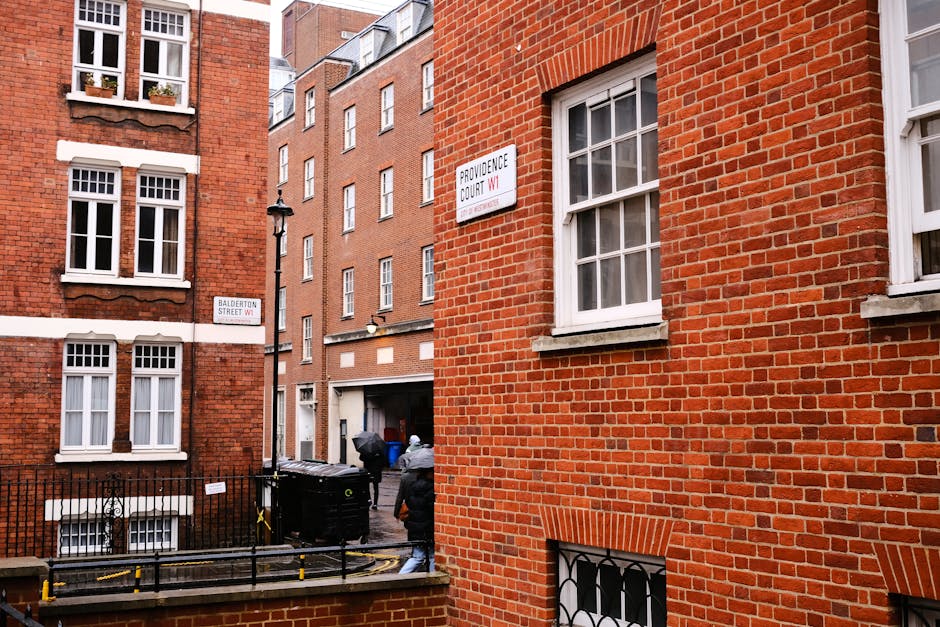
Marylebone flats are often in older buildings, converted townhouses, mansion blocks, or mixed-use properties where access can be awkward even before a single box is lifted. Baker Street itself sits in one of the busiest parts of central London, so even a short move can require more coordination than you might expect.
Why does that matter? Because moving badly in a dense central area can create avoidable problems: blocked entrances, missed parking windows, wasted time, damaged furniture, and exhausted people trying to carry a wardrobe up three flights of stairs while pretending it was always going to be fine. Truth be told, the building geometry tends to win that contest.
A well-planned move matters for three reasons. First, it protects your belongings. Second, it reduces stress on moving day. Third, it saves time, which in a place like Marylebone can be as valuable as the move itself. If you are comparing local moving support, the company's man and van Marylebone service and removal van options can be useful starting points depending on the size of your flat and the amount of furniture involved.
There is also a lifestyle angle. Many people move to Marylebone for its central location, elegant streets, and access to cafes, shops, transport, and nearby landmarks. If you are still getting to know the area, the guide to getting to know Marylebone is worth a read, especially if you want to understand how the neighbourhood's layout affects daily life and moving logistics.
How Baker Street Moves: Expert Tips for Marylebone Flats Works
A successful Marylebone flat move usually follows a simple logic: measure carefully, book smartly, pack efficiently, and keep the day itself as uncluttered as possible. That sounds obvious, but the details matter.
In practice, the process often begins with an assessment of your flat and access route. This includes stair count, lift size, doorway widths, internal corners, courtyard restrictions, loading bays, and where a van can safely stop. For period buildings and compact apartments, those details often determine the whole moving strategy.
Next comes packing. In smaller flats, packing is not just about boxing items; it is about controlling volume. Overfilled boxes are harder to carry, take up more van space, and are more likely to split. Fragile items also need different handling from books, clothes, kitchenware, and electronics. If you need help at that stage, the local packing and boxes service in Marylebone can take some pressure off the process.
Then there is timing. Central London moves work best when they are scheduled around traffic, access limits, building rules, and your own lease timings. If a property has a narrow access window, a same-day handover, or a fast turnaround between tenancies, a service such as same-day removals in Marylebone may be the practical solution.
Finally, the move itself should be handled in the right sequence: protect floors and walls, move large items first, load with weight distribution in mind, and keep an eye on the building's shared spaces. That is where experience really pays off. You are not just moving boxes; you are managing a route, a building, and a schedule at the same time.
Key Benefits and Practical Advantages
A well-run flat move in Marylebone brings benefits that go beyond the obvious "everything arrived safely." The real advantages are more specific and, frankly, more valuable.
- Less disruption to the building: a structured move is quieter, faster, and more considerate to neighbours.
- Reduced risk of damage: proper padding, better handling, and sensible loading protect furniture and fragile items.
- Better use of time: central London moves reward planning because traffic and access constraints punish guesswork.
- Lower physical strain: carrying heavy items up narrow stairs is not a contest worth winning.
- Cleaner handover: if you are leaving one flat and entering another, organisation makes inspections and inventory checks much easier.
There is also a financial benefit, though it is often indirect. Time lost to poor planning can lead to extra labour, added trips, or avoidable delays. Choosing the right size of vehicle, or a service that matches your exact needs, often prevents those hidden costs. If you are still comparing options, the pricing and quotes page is a sensible place to start before you commit.
Another overlooked advantage is peace of mind. When you know the route, the access constraints, the packing method, and the schedule, the day feels manageable. That calm matters more than many people expect.
Who This Is For and When It Makes Sense
This guide is especially useful if you fall into one of these groups:
- tenants moving into or out of a Marylebone flat
- professionals relocating for work near Baker Street or central Westminster
- students or short-term renters who need efficient, low-fuss moving support
- buyers taking possession of a period conversion or apartment building
- landlords or letting agents arranging a quick turnaround between occupiers
- people moving bulky or awkward items in a building with tight access
It also makes sense if you are dealing with a flat that has one or more of the following features: no lift, shared hallways, tight staircases, resident-only parking, limited waiting space, or fragile interior finishes that need careful protection.
If your move is light and simple, a smaller vehicle and crew may be enough. If you are handling multiple rooms, fragile furniture, or a deadline imposed by check-in or check-out time, a more structured service is the safer call. For those with larger inventories or family-sized moves, the house removals Marylebone page can help you gauge whether a broader removal service is more appropriate than a basic van hire.
Students moving into compact accommodation may also benefit from the dedicated student removals Marylebone service, which is often a better fit for smaller loads, quicker turnarounds, and tighter budgets.
Step-by-Step Guidance
Here is a practical sequence you can follow for a smoother Marylebone flat move.
- Confirm your moving date and access window. Check your tenancy agreement, building rules, lift bookings, and any handover deadlines.
- Survey the route. Measure key furniture, note stair turns, and identify where the van can stop without causing problems.
- Declutter before packing. Every item you remove from the move saves time, space, and effort. Be selective.
- Pack by room and priority. Keep essentials separate from non-essentials so you are not hunting for kettle leads at the wrong moment.
- Label clearly. Room labels and short contents notes make unloading much faster.
- Protect fragile pieces early. Mirrors, lamps, glass shelves, and artwork need more than a casual wrap in a bedsheet.
- Reserve the right support. Choose between a van, a man and van team, or a fuller removal service based on volume, access, and timing.
- Prepare the building. Use floor protection, door protection, and clear communication with neighbours or building staff.
- Load in the right order. Heavy items and awkward pieces should go in first, with lighter boxes packed to stabilise the load.
- Do a final sweep. Check cupboards, sockets, utility meter areas, and behind doors before handing over the keys.
One practical tip many people miss: keep one "first-night" box accessible. It should contain chargers, toiletries, tea or coffee, basic tools, a change of clothes, and anything you cannot afford to misplace. It sounds small, but it saves a surprising amount of frustration.
Expert Tips for Better Results
These are the details that tend to separate a decent move from a genuinely smooth one.
1. Measure beyond the furniture itself
Do not only measure your sofa or wardrobe. Measure turns, landings, ceiling clearances, and the narrowest part of the route. In Marylebone flats, the route is often the real problem, not the object.
2. Use soft packing for awkward corners
Period properties often have tight angles. Soft materials such as blankets, wardrobe bags, and corner protectors can prevent chips and scuffs on furniture and walls.
3. Keep small parts together
Screws, shelf pins, remote controls, and fixture parts should be bagged and labelled with the piece they belong to. If you have ever rebuilt furniture from memory, you already know why this matters.
4. Split fragile items from heavy boxes
Do not combine books with glassware or mix kitchen ceramics with random tools. Heavy and fragile items want completely different packing strategies.
5. Think in terms of van space, not just box count
Ten large, loose boxes may be harder to move than fifteen neatly packed smaller ones. A well-loaded van is efficient, stable, and safer for the crew.
6. Book around building realities, not just your calendar
Access, parking, loading, concierge support, and lift booking can all affect the ideal time slot. Central London rarely rewards a "we'll just see what happens" approach.
If you are relocating a specific item that needs specialist care, such as a family piano or a bulky statement piece, it can be sensible to use the relevant service rather than forcing it into a standard move. The local piano removals and furniture removals pages are useful if your inventory includes anything awkward, heavy, or particularly valuable.
Common Mistakes to Avoid
Most moving problems in Marylebone are preventable. The following mistakes show up again and again.
- Leaving packing until the last minute: this creates rushed boxes, poor labelling, and unnecessary breakage.
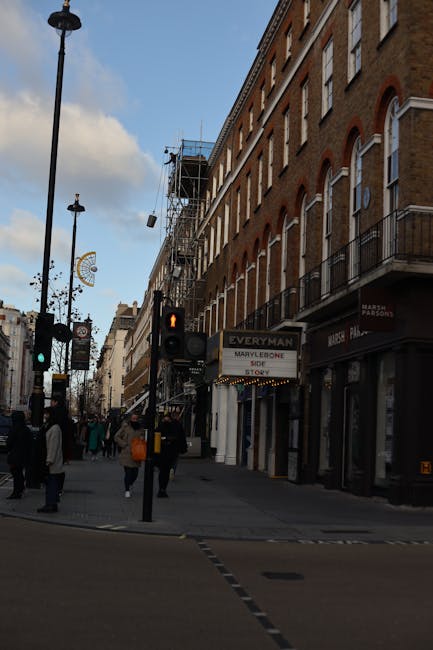
- Assuming access will be easy: even a short street-level move can become difficult if parking or loading space is limited.
- Overpacking boxes: if a box becomes too heavy to carry safely, it is not "efficient"; it is a problem waiting to happen.
- Forgetting building rules: some flats have protected entrances, quiet hours, booking systems, or limited lift use.
- Not separating essentials: if you cannot find documents, keys, or chargers on arrival, the first night becomes far more tiring.
- Choosing the wrong service level: the cheapest option is not always the best fit if your building access is tricky or your move is time-sensitive.
Another common issue is underestimating how long unloading takes in a flat. Stairs, lift wait times, and multiple trips can stretch the schedule. Build in breathing room. It is much easier to finish early than to improvise under pressure at dusk.
Tools, Resources and Recommendations
The right tools can make a Marylebone flat move noticeably easier. You do not need a warehouse of equipment, but a few items are worth having.
- Sturdy double-walled boxes for books, kitchenware, and mixed household items
- Wardrobe boxes for hanging clothes that should arrive in ready-to-use condition
- Bubble wrap and paper wrap for glass, lamps, and fragile decor
- Furniture blankets to protect wood, lacquer, and upholstered pieces
- Marker pens and labels for clear room-by-room organisation
- Basic toolkit for dismantling and reassembling beds, shelves, and tables
- Tape, scissors, and cable ties for neat packing and cable management
For larger or more complex moves, you may also want temporary storage. This can be particularly useful if there is a gap between move-out and move-in dates, or if your new flat is not ready for everything on day one. The local storage in Marylebone option can help bridge that gap without rushing the process.
Readers who want broader local context may also find it helpful to look at the article on resident insights for living in Marylebone, especially if they are still deciding how best to settle into the area.
Law, Compliance, Standards, or Best Practice
Flat moving in Marylebone is not a highly regulated activity for the average resident, but there are still standards and best practices worth following.
First, respect lease or building rules. Some properties require lift bookings, move-in notifications, or quiet-hour compliance. These are not optional if they are part of your tenancy or building agreement. Second, protect communal areas. Hallways, staircases, and doorframes in older buildings are easily marked, so floor runners and careful handling are worthwhile. Third, use insured providers where appropriate, especially if your items are valuable or the access conditions are difficult.
It is also sensible to ask about safety procedures before booking a mover. A reputable provider should be able to explain how items are carried, how breakages are handled, and what happens if access changes on the day. For more detail on trust-related topics, the pages on insurance and safety and health and safety policy are useful reference points.
If your move involves digital payments or online booking, you may also want to review the company's payment and security information and read the terms and conditions so you know what is covered before moving day.
For broader confidence and transparency, the pages on about us and recycling and sustainability can also help you understand how the business operates and what it prioritises after the move.
Options, Methods, or Comparison Table
Not every Marylebone flat move needs the same setup. The best choice depends on volume, access, urgency, and how much you want to handle yourself.
| Option | Best for | Strengths | Trade-offs |
|---|---|---|---|
| Man and van | Small to medium flat moves | Flexible, practical, often efficient for central London access | May be less suitable for larger inventories or complex dismantling |
| Flat removal service | Apartment moves with awkward access or heavier furniture | Better handling, more structured loading, more support on the day | Usually more involved than a basic van-only option |
| Storage plus move | When dates do not line up neatly | Prevents rushing and helps manage staging or renovations | Requires extra planning and coordination |
| Same-day removal | Urgent handovers and short-notice changes | Fast response and minimal delay | Less ideal for large or very delicate moves unless carefully planned |
If you are not sure which route fits your situation, a quick discussion with the team can clarify the scope before booking. The local removals Marylebone and removal services in Marylebone pages are useful for comparing the service style you actually need rather than guessing.
Case Study or Real-World Example
Consider a typical Marylebone flat move: a one-bedroom apartment in a converted building near Baker Street. The tenant has a sofa, bed frame, desk, dining chairs, kitchenware, clothes, books, and a few fragile decorative items. There is a small lift, but it is narrow, and the building entrance shares space with other residents.
The move goes best when the tenant starts packing several days ahead, dismantles the bed before moving day, labels boxes by room, and keeps the essentials box separate. The mover checks access in advance, plans the van stop carefully, and loads the larger furniture first. Floor protection is used in the hallway, and the move is completed without blocking the entrance for long.
Now compare that with a rushed version: boxes packed the night before, no measurements taken, a wardrobe left assembled, and no plan for the lift. The result is predictable. More trips, more delays, more stress, and greater risk of damage.
The useful lesson is simple. In Marylebone, the quality of the planning often matters more than the strength of the lifting. That is why a specialist approach beats improvisation.
Practical Checklist
Use this checklist in the final week before your move.
- Confirm move date, keys, and access times
- Check whether the building requires booking for lifts or loading
- Measure large furniture and tight access points
- Declutter or donate items you no longer need
- Buy enough boxes, tape, wrap, and labels
- Pack non-essentials first
- Prepare one clearly labelled essentials box
- Dismantle bulky furniture where sensible
- Protect fragile items separately
- Notify neighbours or building management if required
- Review the booking details, quote, and service scope
- Keep keys, ID, and documents in a safe place on moving day
Expert summary: if you are moving into a Marylebone flat, success comes from controlling access, packing with intent, and choosing the service level that fits the building rather than fighting it. Get those three things right, and the rest becomes much easier.
Conclusion
Marylebone flat moves are manageable when you treat them like a central London project rather than a casual van job. The area rewards preparation. Measure carefully, pack smartly, understand the building, and choose a moving service that matches the access conditions you actually have, not the ones you hope you have.
That is the real secret behind smoother Baker Street moves: respect the street, respect the building, and remove as much uncertainty as possible before moving day. Do that, and you will give yourself a far calmer start in one of London's most characterful neighbourhoods.
If you are planning a move soon and want local support, it is worth taking the next step now rather than leaving it to the last minute. Get in touch with the team here, or review the broader service options to see which approach best fits your flat, timeframe, and budget.
Get a free quote today and see how much you can save.