Bulky Waste Removal in Marylebone: Sofas & Mattresses
Posted on 06/05/2026
Bulky Waste Removal in Marylebone: Sofas & Mattresses
If you've got an old sofa leaning awkwardly in the hallway or a mattress that has long since given up on comfort, you already know the problem: bulky waste is never as simple as "just move it out later". In Marylebone, where many homes are period flats, basement properties, and tight stairwells, getting rid of heavy furniture can become a bit of a logistical puzzle. That's exactly where Bulky Waste Removal in Marylebone: Sofas & Mattresses becomes useful.
This guide walks you through how bulky item removal works, what to expect, how to prepare, and how to avoid the common mistakes that make a simple job harder than it should be. We'll also cover safer disposal, recycling-minded choices, and the local realities of moving large items through London streets and buildings. No fluff. Just the practical stuff that saves time, stress, and the odd scratched wall.
Why Bulky Waste Removal in Marylebone: Sofas & Mattresses Matters
Bulky waste isn't just "stuff taking up space". A sofa can block a route through a flat, and a mattress left in a communal area can quickly become an eyesore, a fire risk, or a complaint from neighbours. In a neighbourhood like Marylebone, where space is precious and shared entrances are common, even one oversized item can create a surprisingly annoying chain reaction.
There's also a practical side. Old sofas and mattresses are awkward to carry, often too large for standard bins, and rarely accepted in regular household waste. If you have ever tried to angle a double mattress around a narrow staircase at 8 a.m. on a wet Tuesday, you'll know this is not a one-person, one-bag job. To be fair, a lot of people underestimate just how much hassle a single item can create.
For residents, landlords, letting agents, and small businesses in Marylebone, reliable bulky waste removal helps keep properties tidy, speeds up end-of-tenancy preparation, and reduces the risk of damage during DIY dragging and lifting. It also supports better disposal habits. A good service will sort items for reuse, recycling, or responsible disposal where possible, rather than simply sending everything off without thought. For readers interested in broader moving support, the site's services overview is a helpful starting point.
And if you're dealing with a sofa because you've just upgraded your living room or a mattress because the old one has had its day, the job often fits into a wider home refresh. That is why many people pair disposal with furniture removals in Marylebone or even a bigger move through removals in Marylebone.
How Bulky Waste Removal in Marylebone: Sofas & Mattresses Works
The process is usually straightforward, but it helps to know what happens behind the scenes. In most cases, bulky waste removal begins with a quick description of the items: size, quantity, access, and whether there are any awkward details such as a sofa bed mechanism, a heavy corner unit, or a mattress with no lift access nearby.
Once the job is booked, the removal team usually plans the route, transport, and loading method. In Marylebone, that matters more than people think. Parking can be tight, loading windows can be awkward, and flats often sit above shops or inside mansion blocks with narrow access points. A team that knows the area will factor those realities in rather than discovering them on arrival. That little bit of local awareness saves a lot of back-and-forth.
On the day, the crew will normally arrive with the right equipment for lifting and protecting the property: gloves, trolleys, blankets, straps, and sometimes dismantling tools if a sofa needs to be separated into sections. The item is removed from inside the property, carried safely to the vehicle, and then assessed for reuse or disposal routing. If the item can be recycled or passed along responsibly, that's usually the better outcome.
For situations where timing is tight, the service can often be arranged alongside same-day removals in Marylebone or a flexible man and van service in Marylebone. That can be especially useful if you're between tenants, clearing a flat, or preparing for a delivery and need the old item gone fast.
Key Benefits and Practical Advantages
The biggest benefit is obvious: your space becomes usable again. But the real advantages go beyond that. Good bulky waste removal is about saving effort, lowering risk, and handling the job in a way that fits the property and the schedule.
- Less physical strain: Heavy sofas and mattresses are difficult to manoeuvre safely without help.
- Lower risk of damage: Door frames, banisters, flooring, and communal hallways are all vulnerable during DIY removal.
- Faster turnaround: A proper team can clear items quickly, which is handy for move-out deadlines.
- Cleaner disposal pathway: Items can be sorted for reuse or recycling where appropriate.
- Better building etiquette: No one wants bulky waste left in a shared entrance "just for a minute". That minute often becomes a day.
There's also a nice side benefit that people don't always mention: it removes a mental task as well as a physical one. A big mattress in the spare room can nag at you for weeks. Once it's gone, the place feels lighter. Rooms breathe again.
For landlords and agents, there's another layer. Clear, prompt furniture clearance helps protect property condition between tenancies. If the item needs to be stored temporarily before re-use or replacement, options such as storage in Marylebone can sometimes make the transition smoother.
Who This Is For and When It Makes Sense
Bulky waste removal is for anyone facing a large-item clear-out, but the reasons vary quite a bit. In Marylebone, the most common situations include:
- tenants leaving a flat and needing unwanted furniture removed
- landlords clearing old items before re-letting a property
- homeowners replacing worn-out sofas or mattresses
- students moving on and lightening the load before the next term
- office teams disposing of tired waiting-area seating or old reception furniture
It also makes sense when access is awkward. If the sofa is too heavy for you and a friend to shift safely, or if the mattress simply will not fit into a lift, that is your cue to stop trying to make it work on brute force alone. A little practical judgement goes a long way.
In our experience, people often wait too long. They keep the item "just in case" and then, a week later, it's still there. Maybe it's being used as an extra seat for guests. Maybe it's in the corner of a bedroom with clean laundry stacked on it. It happens. But once the item is damaged, stained, or blocking a route, it's usually time to act.
If your clear-out is linked to a move, you may also find it useful to look at flat removals in Marylebone or house removals in Marylebone, especially if the bulky item is only one part of a larger relocation.
Step-by-Step Guidance
If you want the process to go smoothly, a little preparation makes a big difference. Here is the simplest way to approach it.
- Identify the items clearly. Note whether it is a standard sofa, sofa bed, armchair, double mattress, king-size mattress, or a mix of items.
- Check access. Measure doorways, stair turns, and lift openings if needed. It sounds basic, but it saves surprises.
- Remove loose parts. Cushions, throws, and detachable legs should be separated in advance where possible.
- Clear the route. Move side tables, shoes, bins, and anything else that could snag or trip someone.
- Decide on timing. If there are loading restrictions or building rules, align the collection window carefully.
- Ask about disposal handling. If sustainability matters to you, check whether items may be recycled or diverted from landfill where feasible.
- Confirm the final details. Make sure the collection address, contact details, and item list are all accurate before the team arrives.
That's the whole thing in miniature. Simple, yes. But useful. The clearer the brief, the smoother the job.
Sometimes the removal is part of a bigger declutter. In those cases, packing materials and moving support can help too, and packing and boxes in Marylebone can be a sensible companion service if you're sorting more than one room at once.
Expert Tips for Better Results
Here are the small things that make a bulky waste job feel effortless rather than chaotic.
- Measure before you lift. The sofa may fit through the front door on paper, but stair angles can still defeat it.
- Photograph awkward items. A quick image helps explain condition and access, especially for sofa beds and oversized mattresses.
- Book before a deadline. End-of-tenancy days have a habit of becoming stressful very fast.
- Keep shared areas clear. In apartment buildings, even a small obstruction can annoy neighbours and concierge staff.
- Think about the exit route first. Sometimes the best route is not the shortest one.
- Ask about recycling-minded handling. A service that works with recycling and sustainability principles is usually a better long-term choice.
A small real-world example: a resident in a Marylebone flat may think the mattress can be rotated upright and carried down the stairs with one helper. Then the first turn arrives and, well, the plan stops being a plan. A two-minute assessment before moving starts can prevent thirty minutes of wrestling and a bruised wall. The wall never wins, but it does leave evidence.
If you're unsure whether the item is suitable for simple collection or needs special handling, it's better to ask early. That helps the crew bring the right equipment and avoids that awkward moment when everyone is standing there pretending the sofa is lighter than it is.
Common Mistakes to Avoid
People usually do not get bulky waste wrong because they are careless. More often, they just try to improvise. That is where trouble starts.
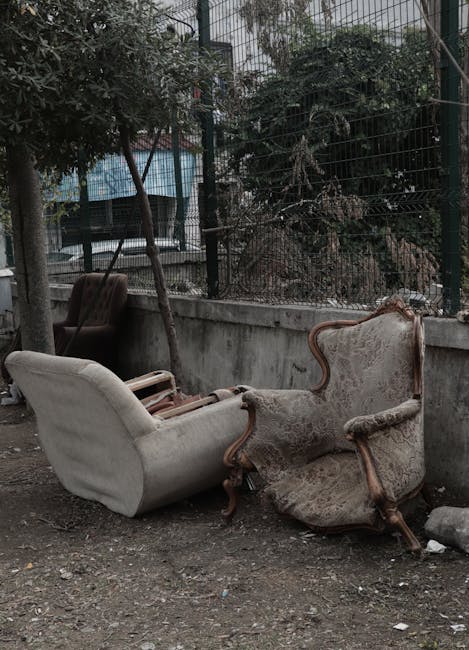
- Leaving it outside too early. This can create complaints, obstruct access, or leave the item exposed to weather and damage.
- Forgetting about access dimensions. A mattress may seem manageable until you reach the stairwell.
- Assuming disposal is the same as moving. Removal, handling, and final disposal are related, but not identical jobs.
- Not checking what else is included. A sofa with hidden storage, metal framing, or fixed covers may need different handling.
- Trying to do it alone. Even if you can move it a few feet, that doesn't mean you can move it safely the whole way.
One mistake that comes up a lot is forgetting the stairs. People focus on the front door and completely ignore the turn on the second landing. Then the item gets halfway down and everyone has that brief, silent moment of regret. Not ideal.
Another one is mixing bulky waste with general rubbish. That can lead to confusion at collection time, especially if you have broken items, loose screws, or extra waste stacked around the main piece. Keep the job tidy and specific. It helps more than you'd think.
Tools, Resources and Recommendations
You do not need a garage full of equipment to prepare for bulky waste removal, but a few simple items make the process safer and calmer.
- Measuring tape: for checking doors, lifts, corridors, and stair widths
- Phone camera: to document item size and access points
- Protective gloves: useful when moving damaged frames or removing loose fittings
- Blankets or covers: to shield walls and floor edges during removal
- Clear labels or notes: helpful if multiple items need separating
For planning a wider move or disposal job, it can also help to compare your needs with man with a van services in Marylebone and removal van options in Marylebone. The right vehicle and crew size depend on access, item weight, and whether you are removing one item or several.
If you need a broader service partner, removal services can be a sensible route for more complex clear-outs. And if you want to understand the people behind the work, the about us page is worth a look. Trust matters here more than people admit.
Law, Compliance, Standards, or Best Practice
Bulky waste disposal in the UK sits within broader waste-handling expectations, and while you do not need to be an expert yourself, it is wise to use a provider that follows proper disposal practices. In plain English: items should not just vanish into a van and reappear in the wrong place. Responsible handling matters.
As a customer, the safest approach is to make sure the service you choose is clear about what happens to your items, how they are transported, and how they are disposed of or recycled. A trustworthy operator should also be careful around property access, lifting safety, and insurance. That is especially relevant in older Marylebone buildings, where hallways can be narrow and finishes can be easily marked.
Best practice usually includes:
- using proper lifting methods and suitable equipment
- keeping communal areas as clear as possible
- avoiding damage to floors, walls, and doors
- handling waste in a way that supports reuse or recycling where practical
- being transparent about pricing, access conditions, and item type
If you want extra reassurance, it is sensible to review a provider's insurance and safety information and their health and safety policy. For practical terms around service delivery and expectations, the terms and conditions page can also be useful.
Options, Methods, or Comparison Table
There is more than one way to get rid of a sofa or mattress. The right choice depends on urgency, access, item condition, and how much effort you want to put in.
| Option | Best for | Pros | Watch-outs |
|---|---|---|---|
| DIY removal | Very light items, easy access, short distances | Can seem cheaper at first | Higher risk of injury, damage, and disposal mistakes |
| Man and van collection | Single bulky items or small clear-outs | Flexible and usually quicker | Needs accurate access details and timing |
| Full removal service | Multiple items or move-related clear-outs | Best for larger jobs and awkward properties | May be more than you need for one small item |
| Storage then disposal later | Temporary holding while decisions are made | Gives breathing room | Only makes sense if the item may be reused or moved again |
For a single tired mattress, a flexible collection is often the simplest answer. For several items after a flat clear-out, a more complete moving option is usually better. The best method is the one that matches the job, not the one that sounds easiest in the abstract. Small difference, big impact.
Case Study or Real-World Example
A typical Marylebone scenario looks like this. A tenant is moving out of a second-floor flat with no lift, and the old sofa bed has become too worn to keep. The hallway is narrow, the stairwell has a tight turn, and the move-out deadline is the next morning. Not exactly relaxing.
Instead of trying to shift it with one friend and a bit of optimism, the tenant arranges a removal team to assess the access in advance. The sofa bed is measured, the route is cleared, and cushions are removed before the crew arrives. On the day, the item is taken out carefully, the walls are protected, and the flat is cleared without a scramble.
The result is simple: no last-minute panic, no scratched paintwork, and no awkward conversation with the landlord about a damaged banister. That is the real value of a proper bulky waste service. It makes the difficult bit boring, which is honestly what you want.
For a job like that, people often discover that sofa and mattress disposal fits neatly alongside student removals in Marylebone or broader relocation support, especially in furnished rentals where turnover is frequent.
Practical Checklist
Use this quick checklist before collection day. It saves time and prevents the common little mishaps.
- Confirm the exact items to be removed
- Measure doors, corridors, and stairs if access is tight
- Clear the path from the item to the exit
- Remove detachable parts like cushions or legs
- Check whether the building has loading or access restrictions
- Tell the provider about lifts, intercoms, or concierge procedures
- Ask how the item will be handled after collection
- Review safety, insurance, and payment details in advance
- Make sure someone is available at the property if needed
- Keep communal areas free of clutter
Practical summary: the smoother the access, the faster the collection. The clearer the brief, the fewer surprises. And the fewer surprises, the calmer your day feels. That's the real win.
Conclusion
Bulky waste removal in Marylebone is about more than getting rid of an old sofa or mattress. It is about handling a space problem safely, sensibly, and with as little disruption as possible. In a neighbourhood where access can be tight and time often feels short, a good plan matters. A little preparation, the right service, and a realistic view of the job can turn a frustrating task into a tidy finish.
If you are clearing out before a move, refreshing a room, or simply reclaiming a bit of breathing space, the sensible next step is to choose a service that understands both the item and the local layout. That is what keeps the process smooth.
Get a free quote today and see how much you can save.
And once the old sofa is gone and the room feels open again, there is something quietly satisfying about it. A clean corner. A clear floor. A fresh start, really.