Moving in W1: Marylebone Station parking & meet-up tips
Posted on 02/06/2026
If you are moving in W1, the area around Marylebone Station can make a perfectly ordinary move feel a bit more complicated than it should. Tight streets, busy commuter flow, limited stopping space, and the usual London mix of taxis, deliveries, and pedestrians all come into play. That does not mean it has to be stressful. With the right Marylebone Station parking and meet-up plan, you can save time, reduce awkward loading delays, and keep the day calm enough to actually think straight.
This guide breaks down what works in practice: where the pressure points usually are, how to arrange a sensible meet-up point, what to do about parking, and how to avoid the small mistakes that snowball into big ones. If you are using a man and van in Marylebone, organising a flat move, or simply trying to coordinate friends and furniture without the whole thing descending into chaos, this should help. Truth be told, a good plan here matters more than a heroic last-minute effort.
And yes, Marylebone can be a lovely place to move to. But lovely does not automatically mean easy.
- Set expectations for parking before the van arrives
- Choose a meet-up point that is simple to explain
- Build in a little buffer for traffic and walking time
- Keep loading access clear for everyone involved
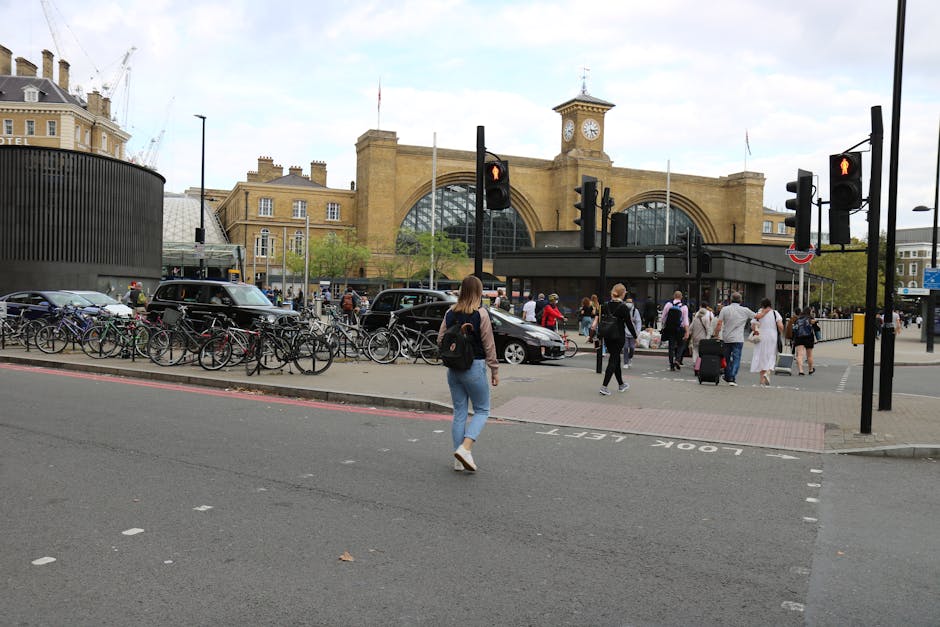
Why Moving in W1: Marylebone Station parking & meet-up tips Matters
Marylebone Station sits in one of central London's most active pockets, so the move itself is rarely just about getting a van from A to B. It is about timing, access, and making sure people and belongings meet in the same place without confusion. In W1, a poor parking decision can mean a long walk with boxes, unnecessary lifting, or the annoying second round of loading because the vehicle could not stop where you hoped.
That sounds obvious, but in practice it is where plenty of moves go sideways. A van arrives five minutes late, the resident is waiting on the wrong side of the station, a helper has parked in a bay that is not really suitable for loading, and suddenly everyone is doing that slightly frantic "where are you?" phone dance. We have all been there in one form or another. The fix is not complicated, just thoughtful.
Marylebone moves also tend to involve a mix of property types. Some people are heading into compact flats, some are leaving period buildings with awkward stairwells, and some are moving items into or out of storage. If you are moving from, say, a top-floor flat near the station, you will already know that every minute saved at the kerb matters. For this reason, many people also look at Baker Street move tips for Marylebone flats and broader local Marylebone living advice before deciding how to schedule the day.
The biggest value of a proper meet-up plan is simple: it keeps the move human. Less wandering around. Less guesswork. Less standing in the road wondering whether the van is "the one by the coffee shop" or "the one near the station entrance" because there are five vans, two taxis, and a coach all looking vaguely similar. Lovely little London moment, that.
How Moving in W1: Marylebone Station parking & meet-up tips Works
At its core, the process is about matching three things: the vehicle, the people, and the access point. If those three line up, the move tends to feel smoother, even if the property itself is tricky. If they do not, you lose time in tiny increments. And in central London, tiny increments add up very fast.
Start with the van. A smaller vehicle is usually easier to position near a station area than a larger one, especially if you are dealing with a short loading window or restricted roadside space. If your move is modest, a removal van in Marylebone or a more flexible man with a van service can be more practical than over-specifying. That does not mean bigger is bad, just that the wrong size can be awkward for no benefit.
Next is the meet-up point. Near Marylebone Station, the best point is usually the one that is easiest to recognise, simplest to reach on foot, and least likely to be blocked by passing traffic. Think in landmarks, not just postcodes. If you tell someone "meet beside the station entrance by the main pedestrian flow" you are more likely to be understood than if you rattle off a road name they have never heard of. Clear beats clever.
Finally, access timing matters. A van that arrives too early can end up circling. A van that arrives too late can leave helpers standing outside with nowhere to put the sofa. The sweet spot is usually a booked arrival window with a shared update by phone or message shortly beforehand. If you are arranging a full move, it helps to review the broader services overview so expectations are aligned before move day starts.
In practice, the process often looks like this:
- Agree the exact pick-up and drop-off sides of the move.
- Confirm whether any waiting space is needed for loading.
- Choose a visible meet-up point near the station or nearby street.
- Share one clear phone number for the driver and the lead contact.
- Keep a small buffer for traffic, lifts, and stair delays.
Key Benefits and Practical Advantages
The main benefit is reduced friction. That sounds a bit bland, but it is exactly what makes a central London move feel manageable. When parking and meet-up details are sorted properly, everyone knows where to stand, where to load, and where not to block the pavement. You get fewer surprises and fewer apologetic pauses.
Another advantage is safety. A badly planned meet-up can mean people carrying items across traffic, waiting in awkward spots, or lifting heavy boxes too far from the vehicle. That is not ideal for backs, ankles, or moods. A sensible arrangement can shorten the carrying distance, which is often the simplest and best way to reduce risk.
There is also the matter of time. If you are moving furniture, boxes, or awkward items, the difference between a coordinated loading point and an improvised one can be surprisingly large. That matters if you are working within a building slot, coordinating with a concierge, or fitting a move around train travel and work hours. If you need a little more support with packing beforehand, the packing and boxes service in Marylebone can help make the load more predictable too.
And yes, it can save money indirectly. Not by magic, but by avoiding extra waiting, repeat trips, or the kind of hold-up that pushes everything into a second window. If you are comparing options, pricing and quotes are worth reviewing alongside the route plan, because the cheapest headline price is not always the cheapest move overall.
Practical takeaway: in W1, a move that is well parked and well signposted usually feels faster, calmer, and safer than one that relies on "we'll find each other on the day." That phrase rarely ages well.
Who This Is For and When It Makes Sense
This approach makes sense for almost anyone moving around Marylebone Station, but a few groups benefit especially.
- Flat movers: If you live in a compact apartment or upper-floor property, you want the shortest possible carry route.
- Students: Smaller budgets and tighter move dates make a coordinated stop-start plan much more useful. See student removals in Marylebone for a more tailored approach.
- Families: There are more bags, more waiting around, and usually one person trying to keep everyone calm. Good luck to that person, by the way.
- Office movers: Even a small office relocation needs clear handover points and minimal disruption. A specialist office removals team in Marylebone can be a better fit than a generic last-minute arrangement.
- People moving delicate items: If you have a piano, fragile furniture, or something unusually heavy, access planning becomes much more important. In those cases, piano removals in Marylebone and furniture removals are worth considering.
It also makes sense if you are juggling a sale completion, a lease handover, or a same-day turnaround. People buying or renting in the area often discover that moving logistics are easier to manage when the route and handover are planned early. If you are in that stage, buying a house in Marylebone and Marylebone property investment guidance can be useful background reading too.
Sometimes the move is also about timing around life, not just property. Maybe you are heading to a dinner afterwards, or arriving before a lease starts, or shifting between places while work is ongoing. In those cases, using same-day removals in Marylebone can help keep the day contained rather than dragged out.
Step-by-Step Guidance
If you want this to go smoothly, use a simple sequence. Nothing flashy. Just clear decisions in the right order.
1. Confirm the exact move address and road access
Before anything else, check how close the vehicle can actually get. Is there space to stop briefly? Is the property on a side road? Is there an entrance from a courtyard or shared front door? In Marylebone, a few metres can change the whole plan.
2. Choose the best meet-up landmark
A good landmark should be obvious, easy to describe, and not too close to a busy crossing. Station entrances, visible corners, or a clearly named nearby cafe can work well. Avoid vague instructions like "somewhere near the station" because that is how people start calling each other repeatedly while standing twenty feet apart. Not ideal.
3. Decide whether you need a loading buffer
If the move involves stairs, awkward furniture, or several bags, allow for extra loading time. A buffer is not laziness. It is realism. This is especially true for flats and older buildings where the lift may be small, shared, or busy.
4. Share timing in one channel
Use one main method for updates. Text, call, or WhatsApp, whichever you know will be checked. The key is consistency. If multiple people are relaying different messages, you get confusion. One source. One plan.
5. Keep the loading route clear
On the day, do a quick final check. Are boxes labelled? Is the corridor clear? Are door codes, fobs, or keys ready? This is the point where a small bit of preparation saves a lot of faffing about later.
6. Confirm what happens after the handover
If the van is doing a second stop, or if you are heading into storage in Marylebone, make sure everyone knows the next destination before you set off. It sounds basic, but basic is good when you are tired and standing in the road holding a lamp.
Expert Tips for Better Results
Some of the best moving advice is boring in the nicest possible way. Simple, repeatable, and annoyingly effective.
Use the station area as a reference, not a crutch. Marylebone Station is obvious to locals, but visitors often approach from different directions. The more precise your landmark, the less chance of drift.
Move the heaviest item first only if the route is clear. That sounds efficient, and it can be, but only if the entrance, pavement, and vehicle position all work together. Otherwise, you just tire everyone out early.
Pack the "first hour" box separately. Kettle, phone charger, toiletries, paperwork, snacks, pet essentials. You know the drill. The first hour after arrival is not the time to be rummaging for a toothbrush.
Keep a photo of the parking point. A quick picture of the agreed spot can be more useful than a long message thread. Small thing, big help.
Ask about access before the van is booked. If the building has narrow entries or a tricky loading arrangement, mention it early. A good man with a van service will usually work better when the access details are clear from the start.
Plan for weather, even if it looks fine. London drizzle has a way of appearing out of nowhere. A couple of plastic covers or a dry landing spot can keep boxes from turning damp and miserable.
Be realistic about how long walking takes with items. A two-minute walk becomes longer when you are carrying a desk lamp, a bag of books, and trying not to knock over a bike. Happens all the time.
If the move involves a full property change, it can help to think beyond the station itself and look at the whole service setup. Pages like removals in Marylebone and house removals are useful when you need a more complete, room-to-room plan.

Common Mistakes to Avoid
Most moving problems in Marylebone are not dramatic. They are small errors that stack up. Here are the usual suspects.
- Arranging the meet-up too late: If you leave it until the morning of the move, you are already under pressure.
- Assuming any roadside space will do: It might not. Some spots look usable but are awkward for stopping, loading, or manoeuvring out again.
- Using vague directions: "Near Marylebone" is not a plan. It is a hope.
- Forgetting the lift or stair situation: Buildings can look straightforward from outside and be a headache once you are inside.
- Overpacking boxes: Heavy boxes slow the move and make carrying them more awkward than it needs to be.
- Not preparing the items you need first: If you pack essentials at the bottom of a van load, you will regret it later.
One especially common mistake is treating parking as somebody else's problem. In a dense area like W1, parking and meet-up details are part of the move itself. They are not an afterthought. If you are using a professional team, ask how they handle access, and if there are any local restrictions to work around. Better to ask a slightly obvious question now than a slightly panicked one later.
Tools, Resources and Recommendations
You do not need fancy gear, but a few basic tools make a noticeable difference.
- Phone with battery: Obvious, yes. Still worth saying.
- Moving labels: Mark rooms and fragile items clearly.
- Reusable covers or blankets: Useful for furniture and awkward corners.
- Tape measure: Helpful if you are checking whether an item will clear a doorway or lift.
- Printed or saved contact list: Keep driver, building contact, and any helper numbers together.
For more operational support, a good removal services overview can help you understand what is included and what needs to be arranged separately. If you are moving specialist items, it may also be worth looking at furniture removals in Marylebone rather than assuming a standard load-out will be enough.
If you are the sort of person who likes to compare options carefully before committing, the removal companies Marylebone page is a useful place to check what kind of support is available locally. And if your move is being stitched together around work, studies, or a flat handover, you may also find the general Marylebone area guide helpful for understanding the local rhythm of the neighbourhood.
Law, Compliance, Standards, or Best Practice
Parking and loading in central London should always be approached carefully, because local rules can change by street, time of day, and bay type. Do not assume that a space near the station is automatically suitable for stopping. Some areas are controlled, some are shared, and some require more caution than they first appear to. Best practice is to check the local restrictions, read signage closely, and avoid making promises about parking that cannot be guaranteed.
For moving teams and householders alike, the safest approach is to treat access planning as part of compliance, not just convenience. That means:
- confirming whether loading is permitted at the intended point
- keeping pavements and entrances as clear as possible
- avoiding obstruction to pedestrians and other vehicles
- communicating clearly with anyone managing the building or loading area
If you are using a professional mover, look for evidence that they take health and safety seriously and have appropriate insurance and safety practices in place. Those pages may not be the most glamorous part of the site, but they matter. A lot. They show how the company thinks about risk, which is exactly what you want when lifting large items near a busy station.
There is also a practical side to sustainability. If you are decluttering before the move, or moving items into storage, it can help to review recycling and sustainability guidance so less useful material ends up as unnecessary waste.
Options, Methods, or Comparison Table
Different move setups suit different people. Here is a simple comparison to help you choose the right approach around Marylebone Station.
| Approach | Best for | Pros | Watch-outs |
|---|---|---|---|
| Self-managed move | Very small loads, short distances | Flexible, low-cost, simple if everything is nearby | More lifting, more stress, harder parking coordination |
| Man and van | Flats, short-notice moves, moderate loads | Flexible, practical, easier to match to local access | Requires clear instructions and good timing |
| Full removal service | Larger homes, offices, complex access | More support, less physical strain, better for structured moves | Needs more planning and usually more lead time |
| Storage-first move | Staggered handovers or decluttering | Reduces pressure if dates do not line up perfectly | Adds a second step and careful inventory management |
To be fair, there is no single right answer. A student with two suitcases and a desk chair does not need the same setup as a family moving out of a large flat. And someone relocating an office printer, a meeting table, and half a dozen monitors really should not wing it.
If you are unsure which route fits your situation, a quick look at flat removals in Marylebone and house removals can help you judge the level of support you actually need.
Case Study or Real-World Example
Here is a realistic example based on a typical Marylebone move. A couple were leaving a one-bedroom flat a short walk from Marylebone Station and moving into another property nearby. The challenge was not distance. It was access. The street was busy, the flat was on an upper floor, and one of the larger pieces of furniture was a sofa that was awkward enough to deserve its own personality.
Instead of just telling the driver to "meet near the station," they agreed a precise stop point on a nearby street, confirmed the best pedestrian route from the flat, and packed the essentials separately. They also messaged a quick update when the van was five minutes away. Nothing fancy. Just clear.
The result was a move that felt controlled rather than rushed. No long hunt for each other. No unnecessary back-and-forth with boxes. The sofa still needed a bit of manoeuvring, because sofas always do, but the whole process stayed contained. That is the thing about good parking and meet-up planning: you hardly notice it when it works, which is exactly the point.
They also booked a short storage stop for overflow items, which meant the new place was not cluttered on day one. If you have ever moved into a new flat and immediately felt buried under boxes, you will understand the appeal. A small bit of staging can make the first night feel human again.
Practical Checklist
Use this before moving day. It is simple, but it covers the parts people most often forget.
- Confirm the exact address, entrance, and floor level
- Choose a clear meet-up point near Marylebone Station
- Agree one contact number for the driver and the lead mover
- Check whether loading space is permitted or restricted
- Allow extra time for stairs, lifts, and narrow corridors
- Label boxes by room and mark fragile items clearly
- Prepare essentials separately for immediate access
- Keep pathways clear inside the property
- Have keys, fobs, and access codes ready
- Check weather and protect items if there is a chance of rain
- Confirm the next stop if the move includes storage or a second address
- Review the company's safety, insurance, and terms if you are hiring help
Quick summary: a good Marylebone move is usually less about brute force and more about coordination. Parking, meet-up point, access route, and timing all need to line up. Once they do, the rest becomes much easier.
Conclusion
Moving in W1 does not have to feel like a logistical puzzle with missing pieces. If you plan the Marylebone Station parking and meet-up details properly, you give yourself a far better chance of a smooth move, less stress, and fewer last-minute scrambles. The real win is not perfection. It is calm, practical progress.
Think in clear landmarks, keep your timing realistic, and choose the right level of moving support for the job in front of you. If you are still deciding how much help you need, it is worth comparing services, access needs, and your own energy on the day. Sometimes the smartest move is simply the one that leaves you with enough headspace to enjoy the new place once the boxes are in.
And if you are settling into the neighbourhood or planning beyond the move itself, a little local reading can help too. The area has its own rhythm, from everyday living to property decisions and the occasional evening out. That's part of the charm, really.
Get a free quote today and see how much you can save.