Staircase Access Problems for Marylebone Terrace Moves
Posted on 04/07/2026
Terrace moves in Marylebone can look simple on paper and then, suddenly, the staircase tells a different story. Narrow turns, steep runs, awkward landings, low ceilings, old banisters, and shared entrances all have a habit of turning a straightforward move into a careful choreography. If you are dealing with staircase access problems for Marylebone terrace moves, the real challenge is not just getting items upstairs or downstairs - it is doing it without damage, delay, or a sore back.
This guide breaks down what actually goes wrong, why it matters in Marylebone's terrace homes, and how to plan a smoother move. You will find practical steps, common mistakes, compliance notes, a comparison table, and a realistic checklist you can use before move day. Let's face it, a good move often starts with a very unglamorous walk up the stairs.
Why Staircase Access Problems for Marylebone Terrace Moves Matters
Marylebone terrace properties often combine period charm with practical headaches. The same features that make them attractive - elegant staircases, compact layouts, original joinery, basement rooms, top-floor bedrooms, and split-level arrangements - can make moving furniture a very different experience from a modern lift-access block.
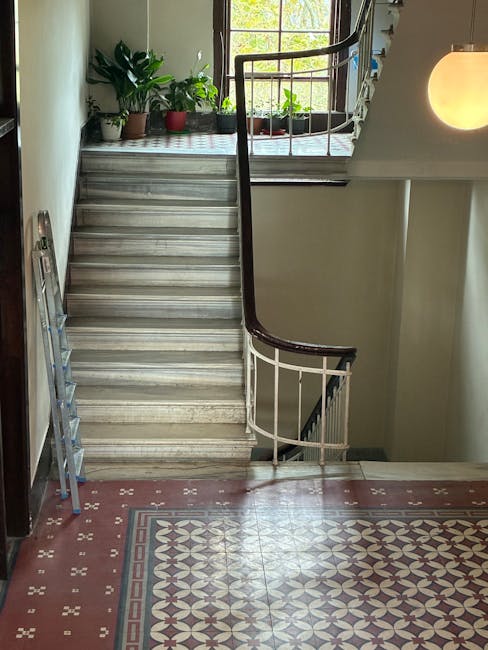
Staircase access becomes a real issue when a sofa will not make the turn, a wardrobe needs partial dismantling, or a mattress has to be guided around a tight half-landing without scraping the wall. It matters because every awkward step adds time, risk, and strain. If one person has to stop mid-flight while another repositions a heavy item, the move slows down fast. Then the pressure builds, and that is when damage usually happens. Tricky, really.
For terrace moves in W1, access planning is especially important because parking, loading space, and timing are already tight. If you want a broader sense of how local moving conditions fit together, some readers also find it useful to look at station parking and meetup tips for moving in W1 and Westminster permit advice for Move Day parking.
Expert takeaway: in terrace moves, staircase access is not a side issue. It shapes the packing plan, the crew size, the order of loading, and sometimes even which furniture should move at all.
How Staircase Access Problems for Marylebone Terrace Moves Works
Solving staircase access problems is basically about matching the move plan to the building's reality. That sounds obvious, but in practice it is where many moves go sideways. A good mover does not assume the staircase is workable just because it exists. They measure, assess, and plan the route item by item.
Here is what usually happens in a well-run terrace move:
- the route is checked from front door to final room
- the width of stairs, landings, and door frames is assessed
- large furniture is compared against those measurements
- fragile wall edges, paintwork, and banisters are protected
- items are prioritised so the hardest pieces move first, while everyone is still fresh
In period Marylebone terraces, the staircase itself may not be the only obstacle. You might have awkward access from the street, a split-level hallway, or a basement step that changes the angle of approach. Sometimes the issue is not one dramatic blockage but several small ones. That is the sort of thing that catches people out.
There is also a decision point: should the item be carried as-is, partly dismantled, or moved by a different route altogether? For example, a bookcase might come apart, while a piano or a large wardrobe may need specialist handling. If you are moving higher-value or delicate household items, it can help to compare general removal support with specialist services such as furniture removals in Marylebone or, where relevant, piano removals in Marylebone.
That distinction matters. Not every staircase problem is solved by "more hands." Sometimes it is solved by better sequencing, better wrapping, or not forcing an oversized item through a route that was never meant for it. Simple, but easy to miss.
Key Benefits and Practical Advantages
Good staircase planning does more than avoid problems. It makes the whole move calmer and more efficient. When the access route is understood before anyone starts lifting, the day usually feels less chaotic. There is less backtracking, fewer pauses, and fewer moments where a crew has to stand there silently, staring at a sofa like it has personally offended them.
- Less damage: careful route planning reduces scrapes to paintwork, dents in plaster, and scuffed stair edges.
- Lower physical strain: safer lifting and smarter item handling reduce the chance of injury or fatigue.
- Faster turnaround: when access is mapped in advance, crews can move with fewer interruptions.
- Better packing decisions: items can be protected, dismantled, or boxed in a way that fits the building.
- More predictable pricing: access challenges are easier to factor in when assessed early rather than discovered on the day.
There is also a psychological benefit, which people underestimate. A move already feels busy. When staircase access is sorted early, the day becomes more manageable. You know what to expect. The crew knows what to expect. And that makes a bigger difference than most people realise.
If you are planning a larger move, especially a full flat or terrace relocation, it is worth reviewing the broader picture too. The service pages on removals in Marylebone and house removals in Marylebone can help you see how access, packing, and load size fit together.
Who This Is For and When It Makes Sense
This topic is relevant if you live in, are moving into, or are moving out of a Marylebone terrace property and any of the following apply:
- your staircase is narrow, steep, or twisty
- you have large furniture, white goods, or awkwardly shaped items
- the property has basement, mezzanine, or top-floor access complications
- the move involves fragile walls, older bannisters, or period finishes
- you are moving with limited parking and a short loading window
- you want to reduce stress on move day and avoid last-minute surprises
It also makes sense for landlords, tenants, buyers, and sellers who want a practical handover. Terrace access can be the difference between a tidy, efficient move and a day full of unplanned delays. If you are buying locally, there is also value in understanding the shape of the property before contracts are finalised; a helpful starting point is buying a house in Marylebone.
Students and renters moving into upper-floor terraces often face the same issue, just with more boxes and fewer friends willing to carry them after lunch. If that sounds familiar, student removals in Marylebone may also be relevant.
Step-by-Step Guidance
Here is a practical way to handle staircase access problems without making the move more complicated than it needs to be.
- Walk the route first. Start at the pavement or front gate and move all the way to the room where each item will go. Look for narrow turns, low ceilings, and awkward corners.
- Measure the critical points. Measure the tightest part of the staircase, any landings, and the largest furniture items. Do not guess. Guessing is how people end up turning a wardrobe sideways for twenty minutes.
- Identify items that may need dismantling. Beds, tables, wardrobes, and shelving often move more safely in pieces.
- Decide what should be wrapped or protected. Use covers, blankets, stretch wrap, or edge protection where surfaces are vulnerable.
- Plan the order of loading and unloading. Put the most difficult items first while everyone is alert and the route is clear.
- Clear the staircase completely. Remove plants, runners, loose mats, picture frames, and anything that narrows the passage.
- Check parking and access outside. Even a perfect staircase plan can fall apart if the vehicle is too far away or cannot stop safely.
- Have a fallback option. If an item is too large, be ready to store it temporarily, replace it, or have it handled separately.
One small but useful rule: if an item feels awkward to carry before anyone has even started, it will not feel easier after the third landing. In those cases, stop and reassess. That pause is usually worth it.
For a broader look at move-day logistics and vehicle planning in the area, many readers also check efficient local moves from Chiltern Street to Portman Square and best times to move around Marylebone High Street.
Expert Tips for Better Results
A few practical details can make a surprisingly big difference. These are the things that tend to help most in real Marylebone terrace moves.
- Use a two-person carry for long or heavy items. It gives better control on turns and stairs.
- Pad the staircase corners before moving anything. A bit of protection upfront saves a lot of regret later.
- Take pictures of tricky routes. If you are speaking to a mover in advance, photos of the staircase and landings are often more useful than a long explanation.
- Label boxes by room and priority. This keeps the stairs from becoming a bottleneck while people search for the right box.
- Move the awkward stuff before the easy stuff. Don't leave the difficult item until everyone is tired.
- Keep children and pets away from the stair route. It sounds obvious, but on move day the front door is busy and little disruptions happen quickly.
One thing that helps in period terraces is agreeing the exact route before the day begins. Left banister or right banister? Front stairs or rear access? Ground floor to first floor, then pause? These small decisions save time. And yes, sometimes they save the wall paint too.
If you need help choosing the right service level for the size and complexity of the move, man and van in Marylebone, man with a van in Marylebone, and Marylebone removal companies are all relevant comparison points, depending on how much support you need.
Common Mistakes to Avoid
Most access problems are not caused by one dramatic error. They come from a few avoidable assumptions stacking up.
- Assuming the staircase is "probably fine." That is how oversized furniture gets stuck halfway up.
- Not measuring the item after wrapping. Protection adds bulk. People forget this all the time.
- Ignoring the landing space. A stairwell can be wide enough until the turn comes.
- Leaving dismantling tools until the last minute. When you need them, you really need them.
- Overloading boxes for convenience. Heavy boxes and narrow stairs are a bad combination.
- Not communicating access quirks. If there is a hidden step, a low beam, or a shared hallway, say so early.
Another common issue is emotional, not technical: people get attached to moving every single item exactly as it is. To be fair, that is understandable. But terrace access sometimes demands compromise. A piece may need to be dismantled, a delivery may need to be split, or one item may make more sense in storage for a short while. That is not failure. It is sensible planning.
Tools, Resources and Recommendations
You do not need a van full of specialist kit to manage staircase access, but a few basic tools help a lot.
- Measuring tape: for stair width, landings, and furniture dimensions
- Furniture blankets or padded covers: to protect surfaces and soften corners
- Stretch wrap and tape: useful for holding parts together and preventing loose edges
- Work gloves: improve grip and reduce hand strain
- Furniture sliders or dollies: helpful for floor-level movement before the stairs
- Basic toolkit: for dismantling beds, tables, or shelving where appropriate
On the planning side, a written room-by-room inventory is surprisingly valuable. It helps you decide what should be packed first, what needs special handling, and what may be better placed in storage in Marylebone for a short period.
For packing support, it can also make sense to review packing and boxes in Marylebone, especially if the stairwell is tight and you want to keep box sizes manageable. Smaller, consistent boxes are usually far easier to carry on stairs than a few heroic monster boxes. Heroic, yes. Wise, not so much.
Law, Compliance, Standards, or Best Practice
When staircase access problems create manual handling risks, the main concern is safe working practice. In the UK, movers and property occupiers generally need to think about safe lifting, clear access, and avoiding preventable injury or damage. You do not need to turn move day into a legal seminar, but a basic sense of duty of care goes a long way.
Good practice usually includes:
- planning manual handling before lifting begins
- using enough people for heavy or awkward items
- protecting stairs, walls, and doors where impact is likely
- keeping access routes clear of trip hazards
- pausing when an item cannot be carried safely
Insurance and safety also matter. If you are hiring help, it is sensible to check how items are handled, what happens if damage occurs, and whether the move is covered by appropriate policies. A clear explanation of these points can usually be found in insurance and safety information and the company's health and safety policy.
Best practice also includes honesty. If an item is too large for the staircase, say so. If there is a route concern, flag it. It is always better to admit an access issue early than to discover it while someone is balancing at an awkward angle on the second landing.
Options, Methods, or Comparison Table
There is more than one way to deal with staircase access issues. Which one makes sense depends on the property, the furniture, and how much time you have.
| Method | Best for | Pros | Trade-offs |
|---|---|---|---|
| Carry items as-is | Small, light, or flexible items | Fast and simple | Not suitable for bulky or rigid furniture |
| Partial dismantling | Beds, shelving, tables, wardrobes | Often the best balance of speed and safety | Needs time, tools, and care with reassembly |
| Specialist handling | Fragile, valuable, or unusually heavy items | Lower risk for awkward objects | Usually requires more planning |
| Temporary storage | Moves with timing gaps or access uncertainty | Reduces pressure on move day | May extend the move process slightly |
For many Marylebone terrace moves, the best answer is a mix of methods. A few items go straight through. A few are dismantled. One or two are held back for a second pass or storage. That is normal. In fact, it is often the smartest way to move.
If you are comparing service styles, removal van support in Marylebone and same day removals in Marylebone may be useful depending on your timing and access pressure.
Case Study or Real-World Example
Here is a realistic example. A couple moving into a Marylebone terrace had a large sofa, a solid wood dining table, and a tall wardrobe that looked fine in the lounge but became a different beast the moment it met the staircase. The stairwell had a tight turn halfway up, and the landing was just wide enough for one person to stand aside while the other repositioned the load.
Instead of forcing everything up on the first attempt, the mover walked the route, removed the wardrobe doors, wrapped the sofa arms, and moved the dining table top separately from the base. They also protected the inner wall corner with blankets before starting. The result? Less strain, fewer pauses, and no chipped plaster.
Nothing dramatic. Just practical sequencing.
That is usually how it goes when staircase access is handled well. There is no magic trick. It is a series of decent decisions made before the lifting starts. Small moments, but they add up.
For moves with heavier household items or furniture that genuinely needs careful handling, a dedicated approach like flat removals in Marylebone can be a better fit than a quick improvised carry.
Practical Checklist
Use this before move day if you are worried about staircase access.
- Measure the staircase width, landing size, and narrowest points
- Measure large items after they are wrapped
- Identify furniture that may need dismantling
- Clear the stairs, hallway, and landings completely
- Protect corners, banisters, and vulnerable wall edges
- Confirm parking and loading arrangements outside
- Pack stairs-friendly boxes that are not overfilled
- Label items that need special handling
- Set aside tools for dismantling and reassembly
- Keep children, pets, and visitors out of the route
- Decide in advance what will go into storage if needed
- Brief everyone involved on the route and the difficult turns
Practical summary: if the staircase is tight, treat the move like a route-planning exercise, not just a lifting exercise. Measure first. Protect second. Carry third. That order saves headaches.
Get a free quote today and see how much you can save.
Conclusion
Staircase access problems are one of the most common reasons a Marylebone terrace move becomes stressful, but they are also one of the most manageable. With a clear assessment, sensible packing, and the right support, even a tricky staircase can be handled in a calm, orderly way.
The main lesson is simple: do not leave the staircase until move day. Walk it, measure it, plan for it, and respect it a little. Terraces may be charming, but they do not forgive careless furniture angles.
When you plan access properly, the whole move feels lighter. Not easy, exactly. Just far more under control. And that, on a busy London move, is a lovely thing.